
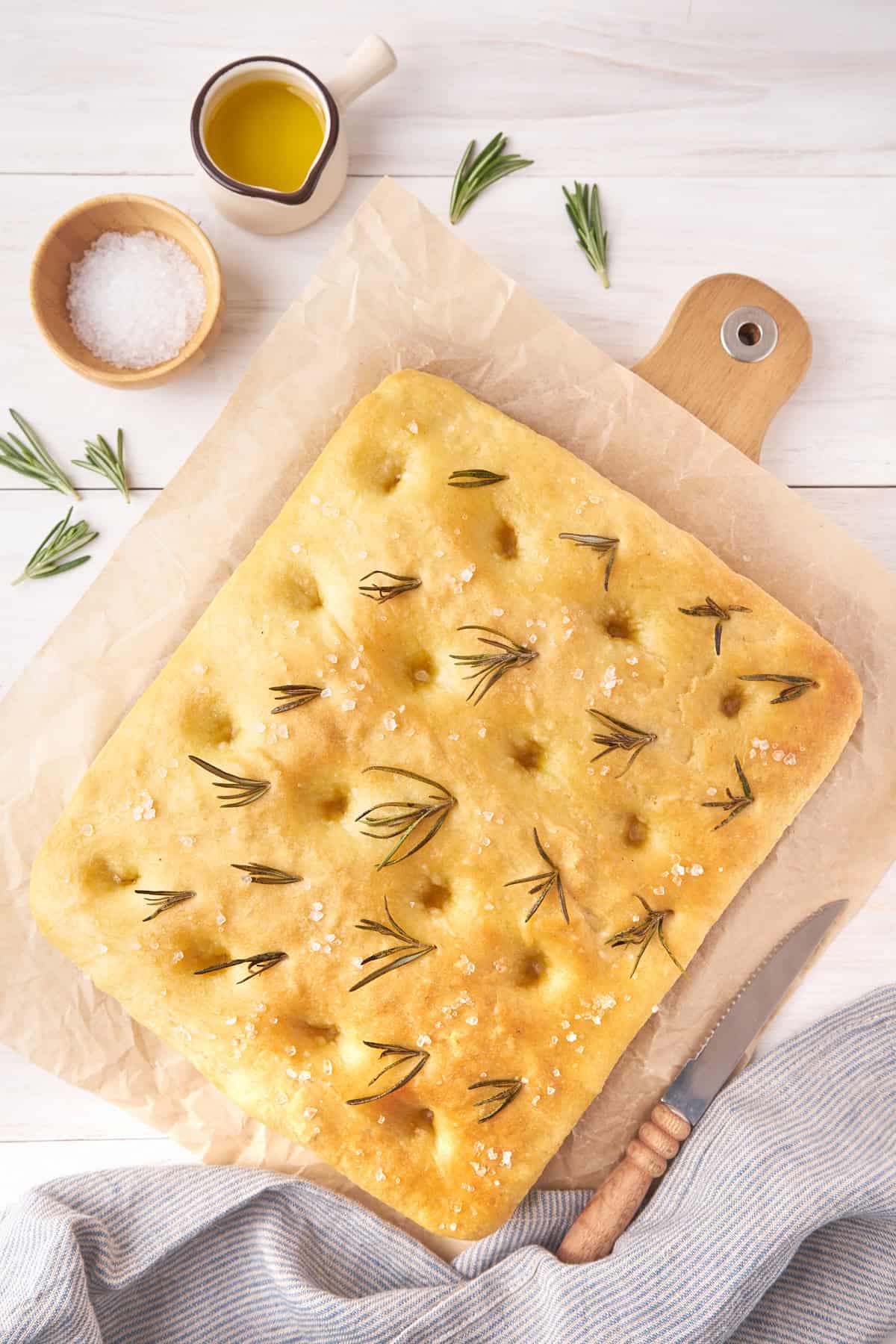
This Gluten-Free Focaccia is soft, airy, and beautifully golden with crisp edges and a tender crumb, everything you want in classic focaccia, but made completely gluten-free with a simple 1:1 flour blend.
A Quick Look at the Recipe
✅ Recipe Name: Gluten-Free Focaccia
🕒 Ready In: ~1 hour 45 minutes (including rising time)
👪 Serves: 8-10 slices
🍽 Calories: ~210 per slice (estimated)
🥣 Main Ingredients: Gluten-free 1:1 flour, yeast, water, olive oil, rosemary, sea salt
📖 Dietary Info: Gluten-free and dairy-free
👌 Difficulty: Easy - no kneading, simple mixing, reliable rise
SUMMARIZE & SAVE THIS CONTENT ON
Because gluten-free dough behaves differently than wheat dough, this recipe uses a higher hydration level, activated yeast, and two rises to build structure and lift. The result is a focaccia that bakes up tall, fluffy, and perfectly chewy with a fragrant rosemary topping and flakes of sea salt. It's ideal for sandwiches, dipping in olive oil, serving with soup, or enjoying warm straight from the pan.
Serve it alongside our Lemon Chicken Piccata, dip it into New England Clam Chowder, or add it to the table with Caprese Chicken for a complete, comforting dinner. It's also great with Zuppa Toscana Soup for a classic bread-and-soup pairing.
Jump to:
Why You'll Love these Gluten-Free Focaccia:
Soft, airy texture: This focaccia bakes up fluffy inside with crispy, olive-oil-coated edges, just like classic focaccia, but completely gluten-free.
Simple, reliable dough: No kneading or complicated shaping. Just mix, rise, dimple, and bake.
Naturally dairy-free: Made with olive oil and gluten-free flour, making it a great option for multiple dietary needs.
Perfect for any meal: Serve with soups, salads, grilled meats, or slice it for sandwiches.
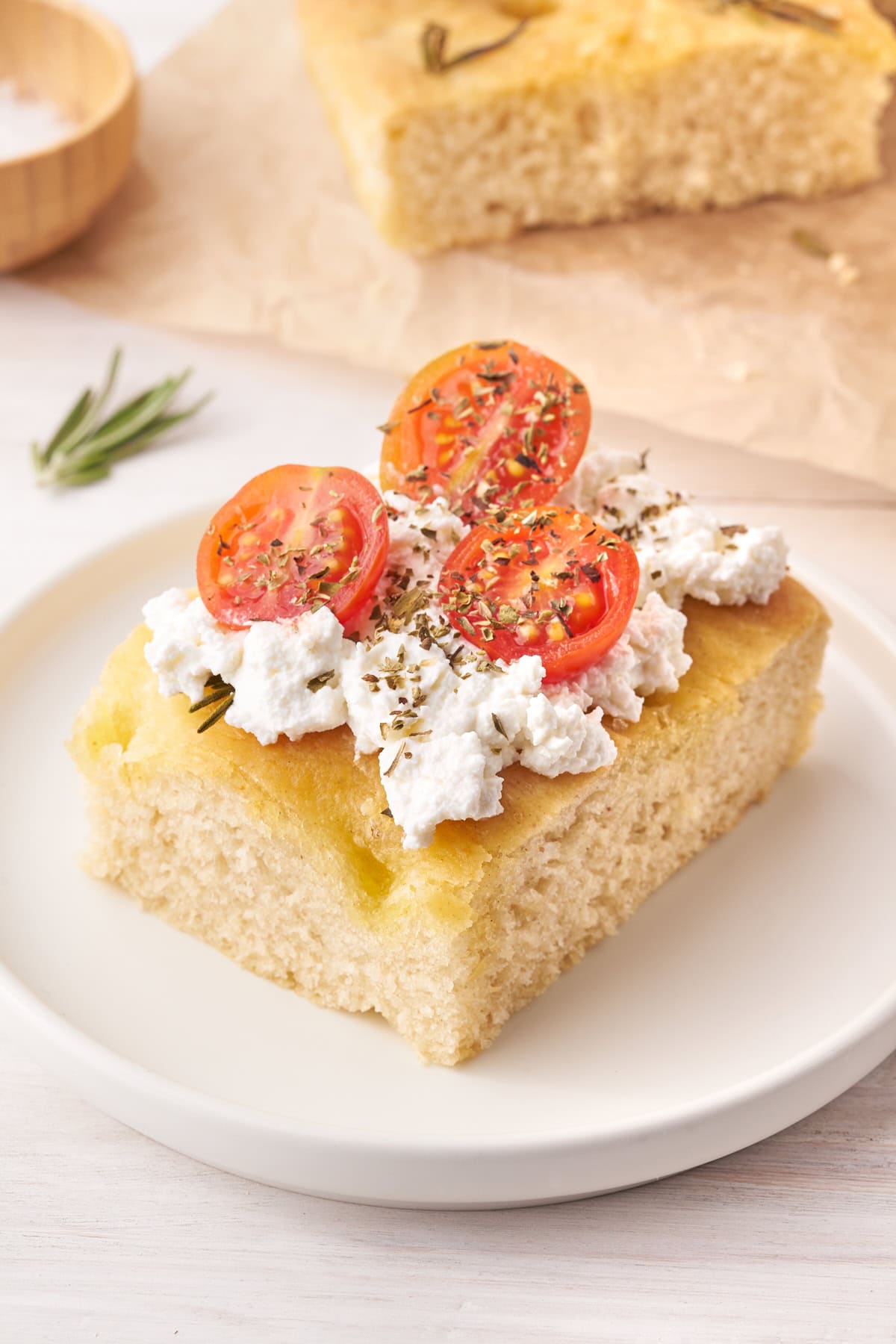
Customizable toppings: Add olives, roasted garlic, cherry tomatoes, or extra herbs to make it your own.
Key Ingredients:

- cane sugar. Feeds the yeast and supports a strong, bubbly activation.
- active dry yeast. Creates lift and airiness, giving the focaccia its soft, fluffy texture.
- Gluten-free 1:1 flour. A premade gluten-free blend that provides structure without requiring gums or specialty starches.
- olive oil. Adds richness, moisture, and the signature crisp golden edges.
- flaky sea salt. Finishes the bread with crunch and enhances every bite.
Scroll to the recipe card at the bottom of this page for exact quantities.
Easy Substitutions & Variations:
- Flour options: Any high-quality gluten-free 1:1 blend works, but choose one containing xanthan gum for the best structure and lift.
- Herb variations: Swap rosemary with thyme, oregano, basil, or an Italian herb blend for a different flavor profile.
- Topping additions: Press cherry tomatoes, olives, caramelized onions, roasted garlic, or thinly sliced red onion into the dough before baking.
- Cheesy version: Sprinkle parmesan or mozzarella on top during the last few minutes of baking (skip for dairy-free).
- Salt swap: Use fine sea salt for a milder finish or smoked salt for added depth.
How to Make Gluten-Free Focaccia:
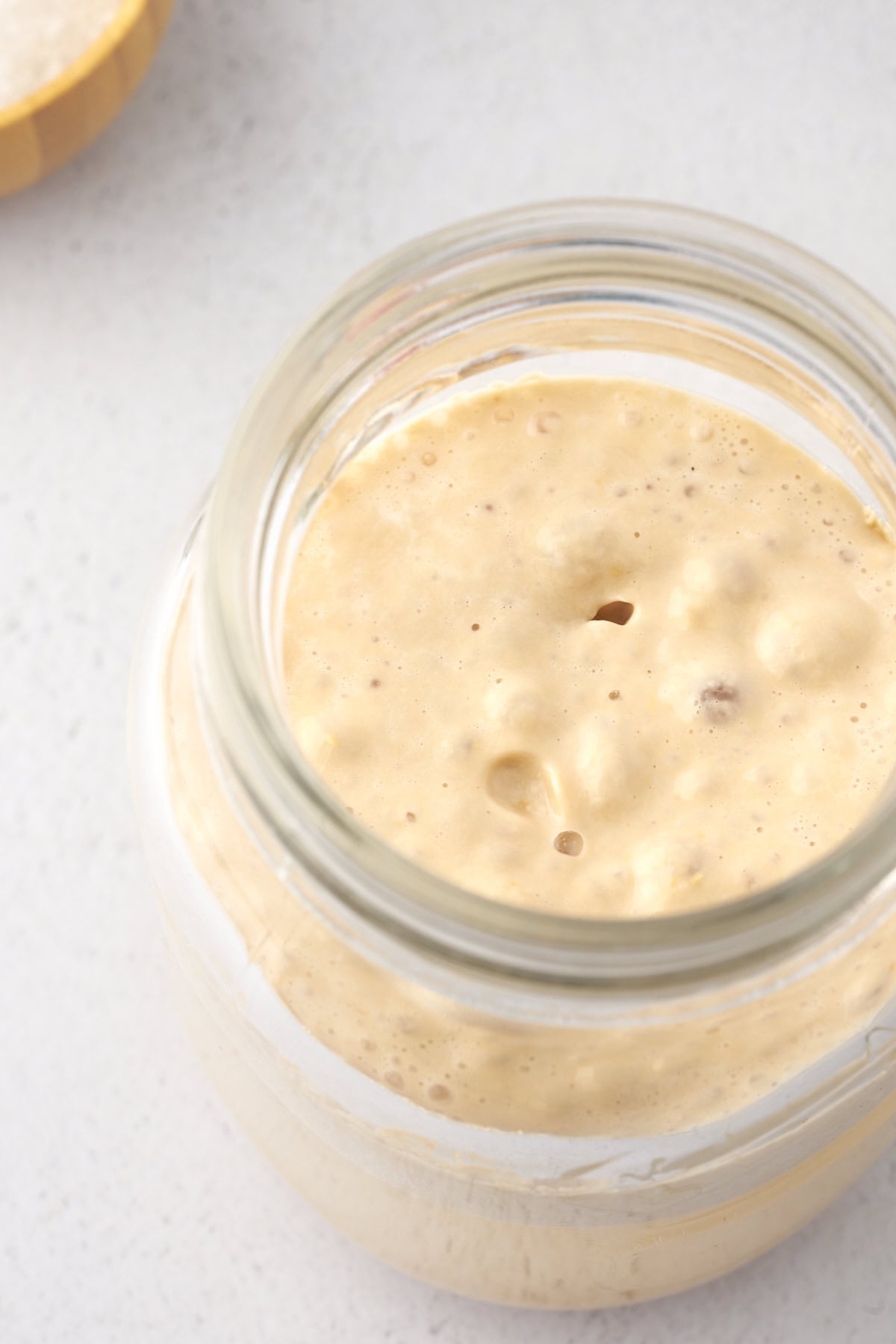
- Step 1: In a small bowl or jar, whisk warm water and sugar, sprinkle yeast on top, stir once, and let sit for 10 minutes until foamy.
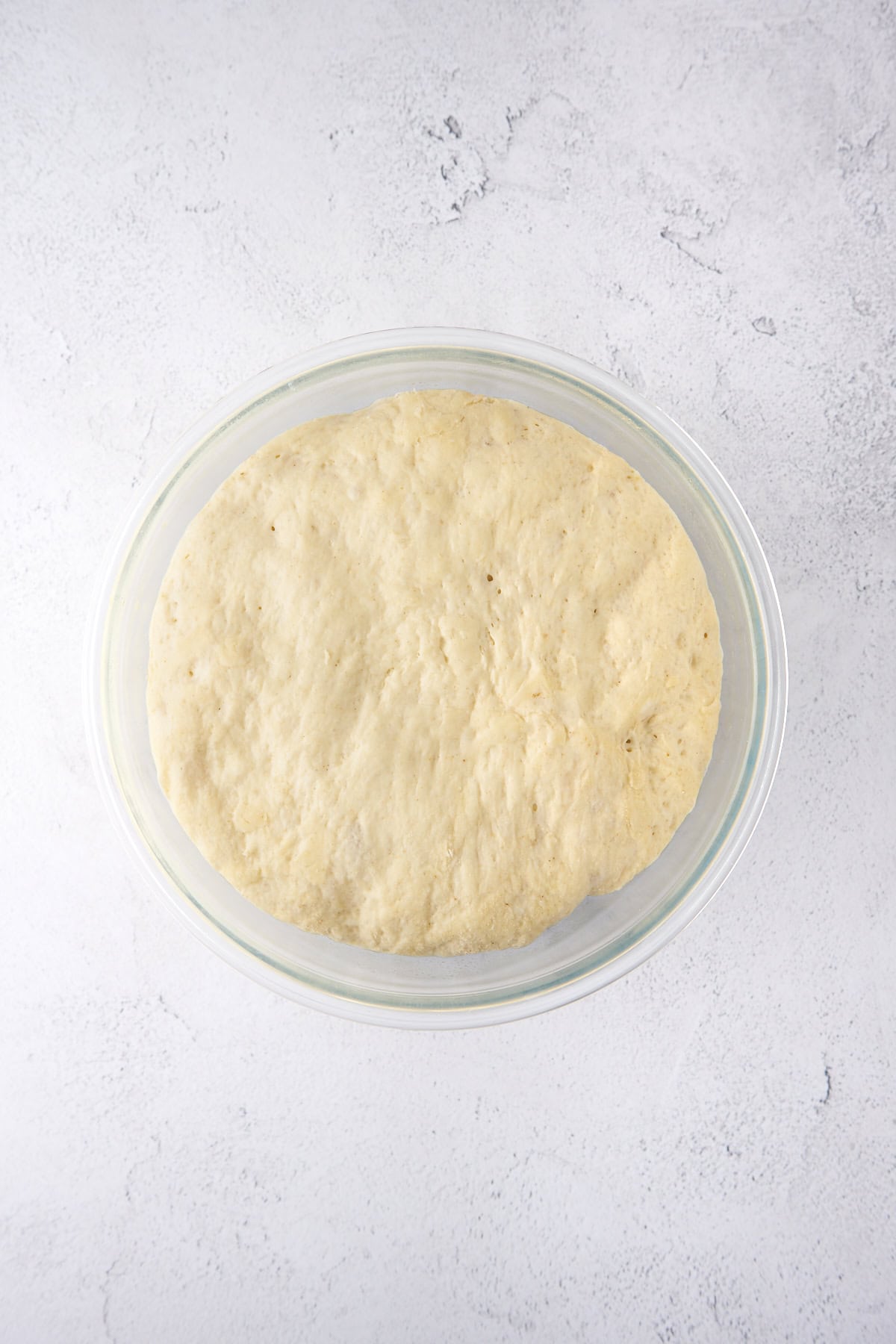
- Step 2: Mix the yeast mixture, gluten-free flour, salt, and 1 tablespoon olive oil in a stand mixer until slightly sticky. Shape into a ball, place in a greased bowl, cover, and let rise for 1 hour.
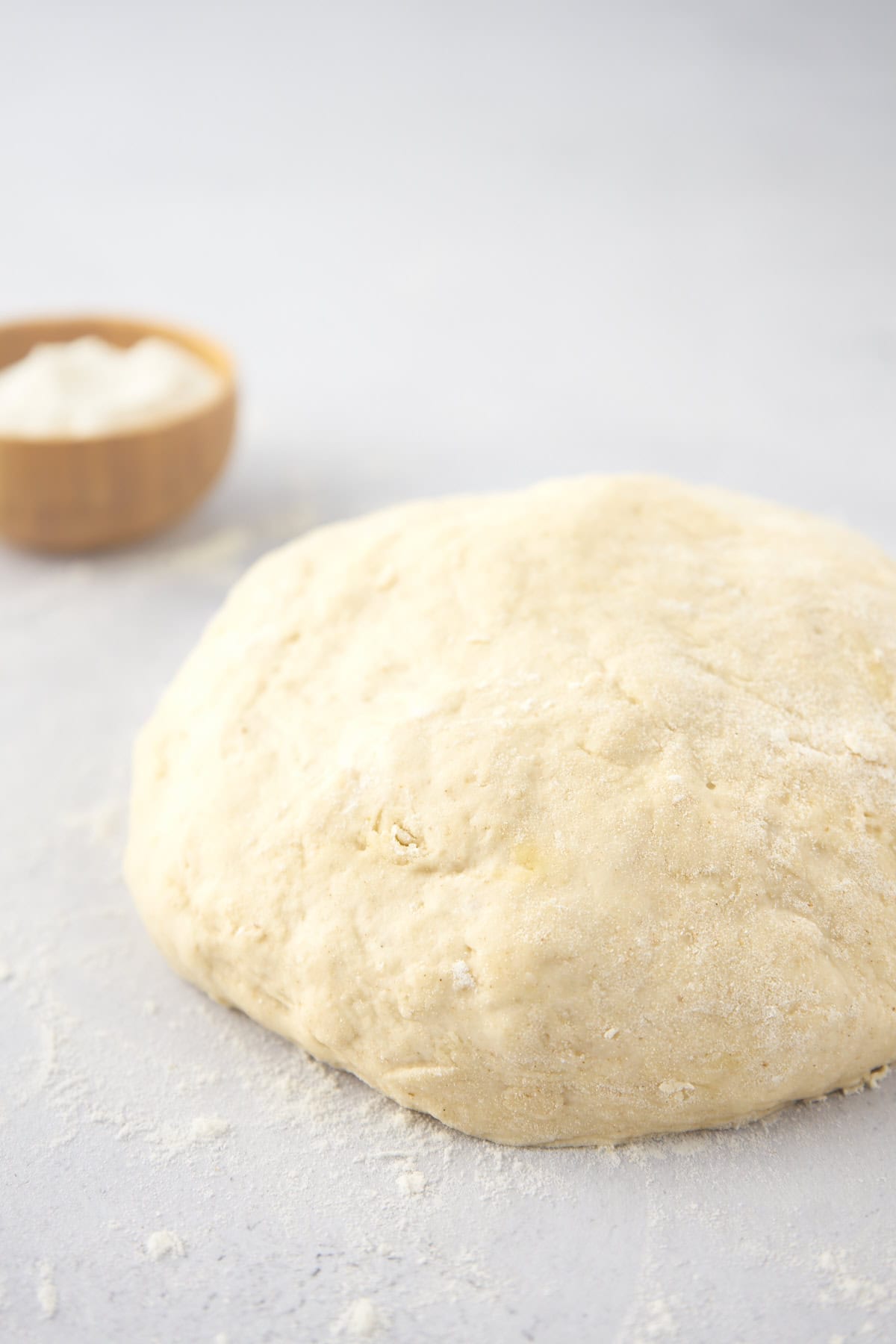
- Step 3: Punch down the dough, reshape, then roll to ½-inch thickness. Transfer to a well-oiled baking tin, cover, and let rise again for 45-60 minutes.
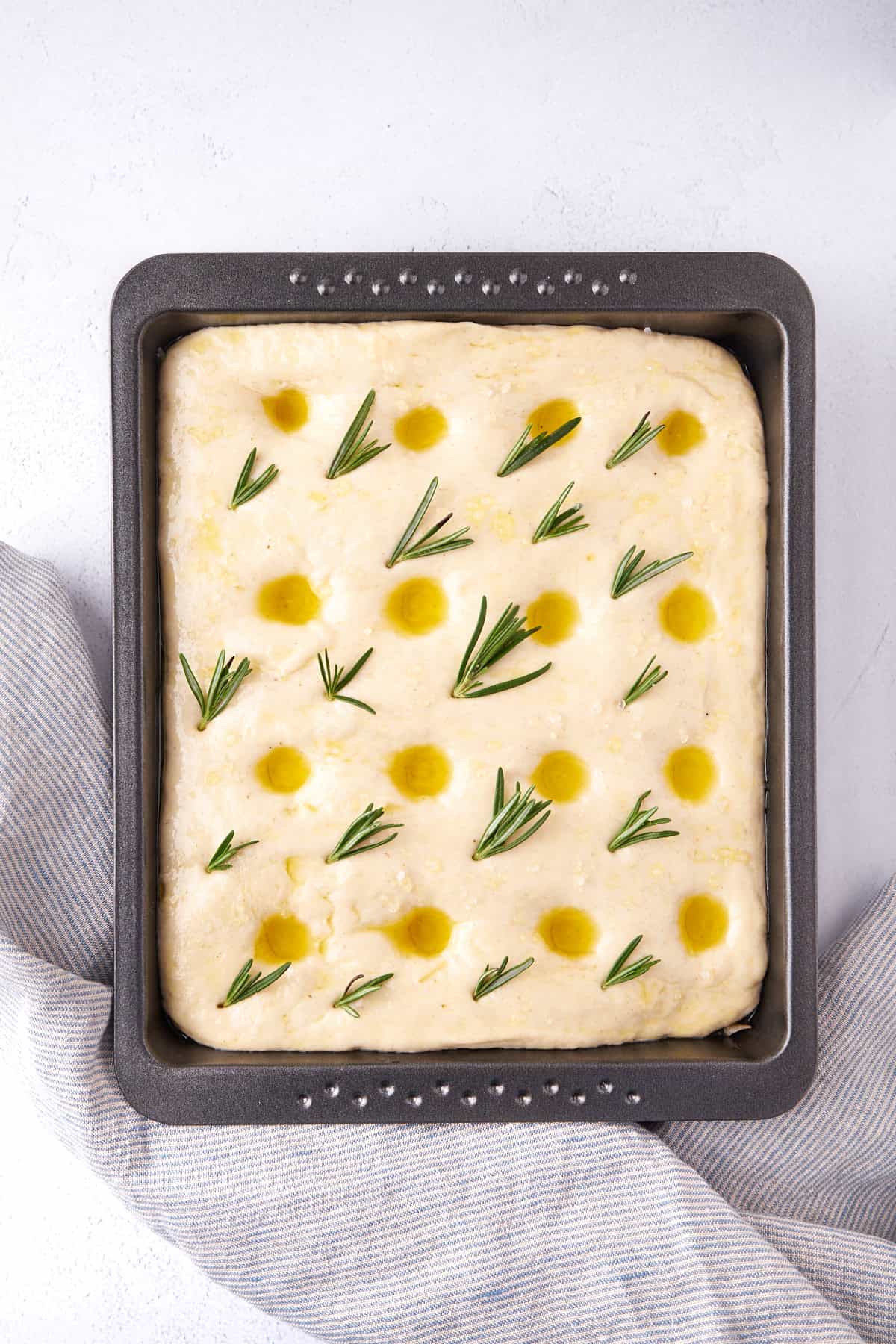
- Step 4: Dimple the dough with your fingertips, brush with olive oil, add rosemary and flaky salt, then bake at 350°F for about 22 minutes, until golden.
Recipe Notes & Tips:
- Use warm not hot water: Water that's too hot can kill the yeast; aim for 100-110°F for the best rise.
- Let the dough be sticky: Gluten-free focaccia dough should be softer and stickier than wheat dough, don't add extra flour.
- Generous oil = crisp edges: Fully coating the baking tin in olive oil helps create the classic golden, crispy bottom.
- Dimple gently: Pressing your fingertips into the dough helps the olive oil pool and creates focaccia's signature texture.
- Watch the rise times: Humidity and kitchen temperature affect how quickly dough doubles, use volume, not the clock, as your guide.
- Herbs go on before baking: Press rosemary (or other toppings) into the dough so they bake into the surface instead of burning.
- Serve warm: Gluten-free focaccia tastes best fresh and slightly warm, when the crumb is soft and airy.
Save this Recipe
How to Store:
Room Temperature: Store cooled focaccia in an airtight container for up to 2 days. Reheat briefly in a 300°F oven to refresh the texture.
Refrigerator: Keep leftovers in an airtight container for 3-4 days. Warm in the oven before serving to restore softness and crisp edges.
Freezer: Freeze individual slices tightly wrapped for up to 2 months. Thaw at room temperature, then reheat in the oven for the best texture.
Gluten-Free Focaccia FAQs:
If your gluten-free focaccia didn't rise, the most common issues are inactive yeast, water that was too hot or too cold, or a kitchen that's too cool for proper fermentation. Make sure the yeast becomes foamy during activation, use warm water (100-110°F), and allow the dough to rise in a warm, draft-free spot. Gluten-free dough relies entirely on yeast and hydration for lift, so watching for volume, not the clock, is key.
Soft, fluffy gluten-free focaccia depends on high hydration, a proper rise, and generous olive oil. The dough should be sticky (not firm like wheat dough), and the two rise periods help develop air pockets. Coating the pan with plenty of olive oil also creates crisp edges while keeping the interior tender.
Dense or gummy gluten-free focaccia usually happens when the dough is under-risen, over mixed, or underbaked. Let the dough fully double during both rise periods, avoid adding extra flour (the dough should stay sticky), and bake until the focaccia is golden with firm edges. Cooling for at least 10 minutes helps the crumb set properly.

Grab your free copy
Get a FREE Healthy Meal Planning Ebook
Tips, Tricks, and Recipes for Stress Free Meal Planning
Gluten-Free Focaccia
Ingredients
- ¾ cup warm water
- ½ tablespoon cane sugar
- 2 tablespoons active dry yeast
- 1 teaspoon fine sea salt
- 3 cups gluten-free flour, 1:1 ratio
- 5 tablespoons olive oil
- 4 fresh rosemary sprigs
- 1 tablespoon flakey sea salt
Instructions
- In a bowl or jar, whisk the lukewarm water and sugar, then sprinkle the yeast on top. Stir once, cover, and let sit for about 10 minutes, or until foamy and doubled in volume.
- Add the activated yeast mixture to a stand mixer fitted with a dough hook. Add the flour, salt, and 1 tablespoon olive oil. Mix on low until the dough pulls away from the sides and feels slightly sticky, about 2-4 minutes. Shape into a ball, place in a lightly greased bowl, cover, and let rise in a warm spot for 1 hour or until doubled.
- Punch down the dough, fold the edges toward the center, and shape into a smooth ball again.
- Grease a baking pan with 2 tablespoons olive oil (it should look generously coated). Set aside.
- Roll the dough on a silicone mat or lightly floured surface to about ½-inch thickness, then transfer immediately to the oiled pan. Cover and let rise again for 45-60 minutes, or until puffy and doubled.
- Preheat the oven to 350°F. Use your fingertips to dimple the dough all over. Brush with the remaining 2 tablespoons olive oil, press in rosemary, and sprinkle with flaky salt.
- Bake for about 22 minutes, or until golden and cooked through.
Nutrition
Notes
- Use warm not hot water: Water that's too hot can kill the yeast; aim for 100-110°F for the best rise.
- Let the dough be sticky: Gluten-free focaccia dough should be softer and stickier than wheat dough, don't add extra flour.
- Generous oil = crisp edges: Fully coating the baking tin in olive oil helps create the classic golden, crispy bottom.
- Dimple gently: Pressing your fingertips into the dough helps the olive oil pool and creates focaccia's signature texture.
- Watch the rise times: Humidity and kitchen temperature affect how quickly dough doubles, use volume, not the clock, as your guide.
- Herbs go on before baking: Press rosemary (or other toppings) into the dough so they bake into the surface instead of burning.
- Serve warm: Gluten-free focaccia tastes best fresh and slightly warm, when the crumb is soft and airy.
Mia says
I am just starting to try and have less gluten in my diet and this was very good.
Kae says
the flakey salt makes such a difference!