
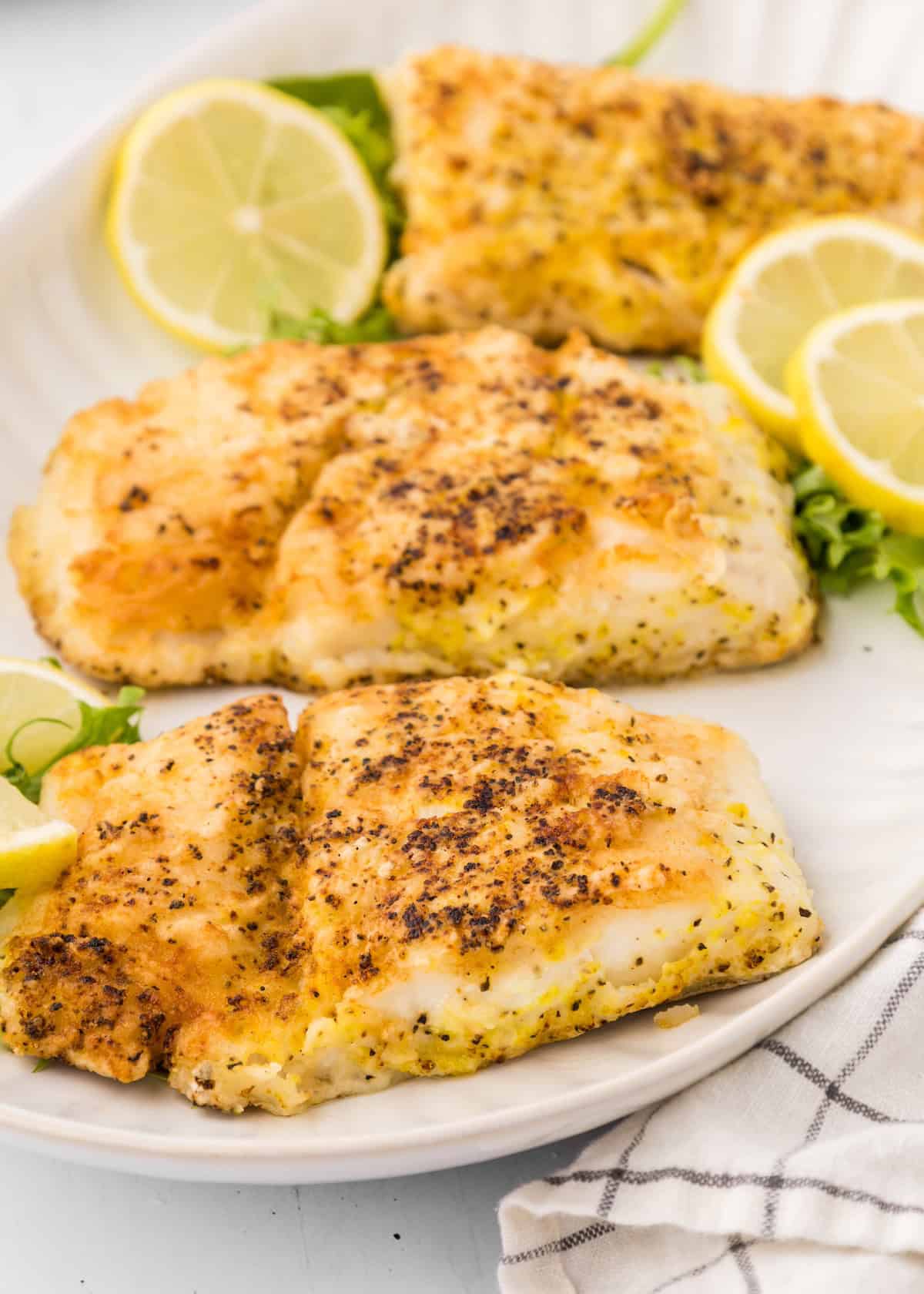
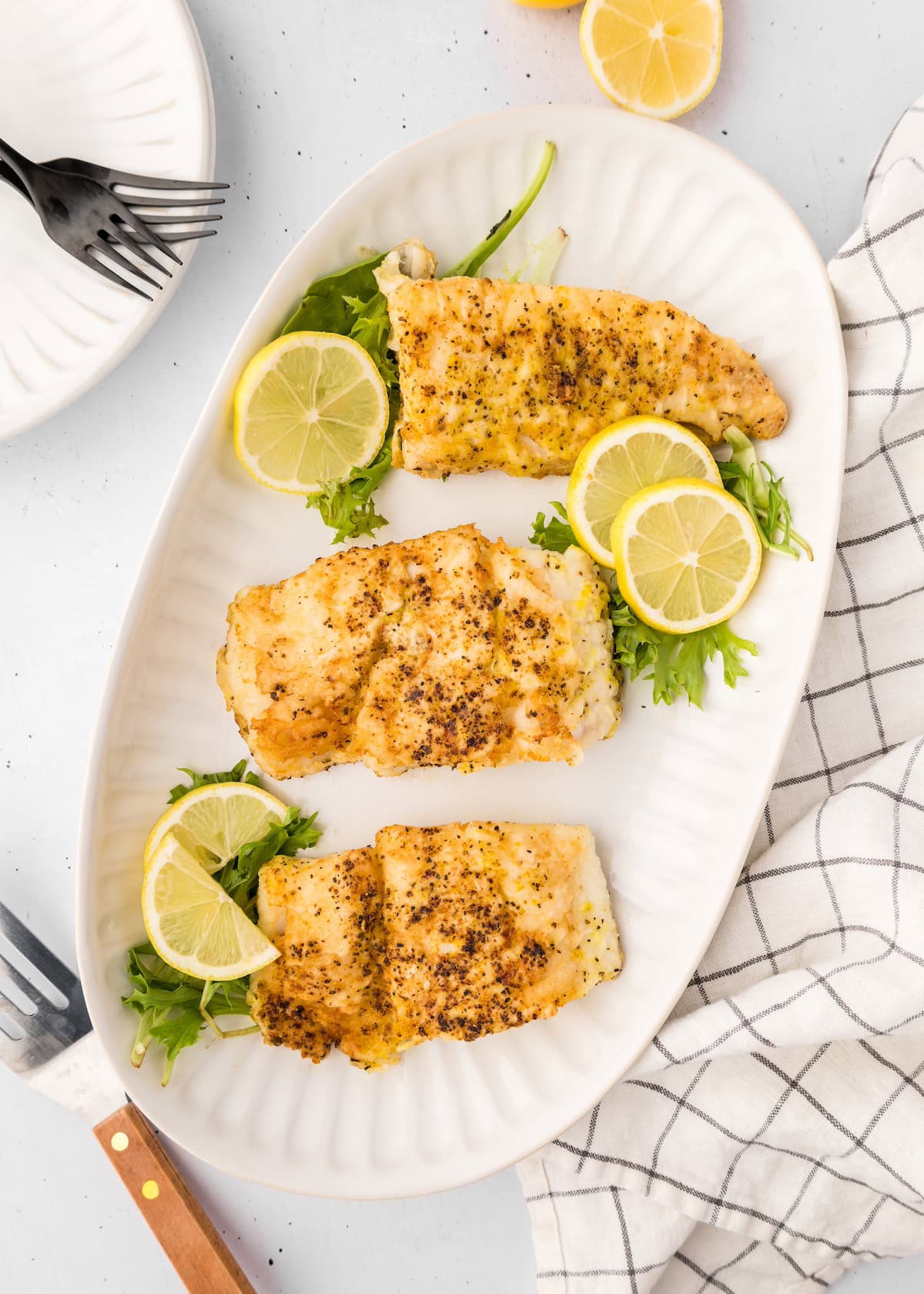
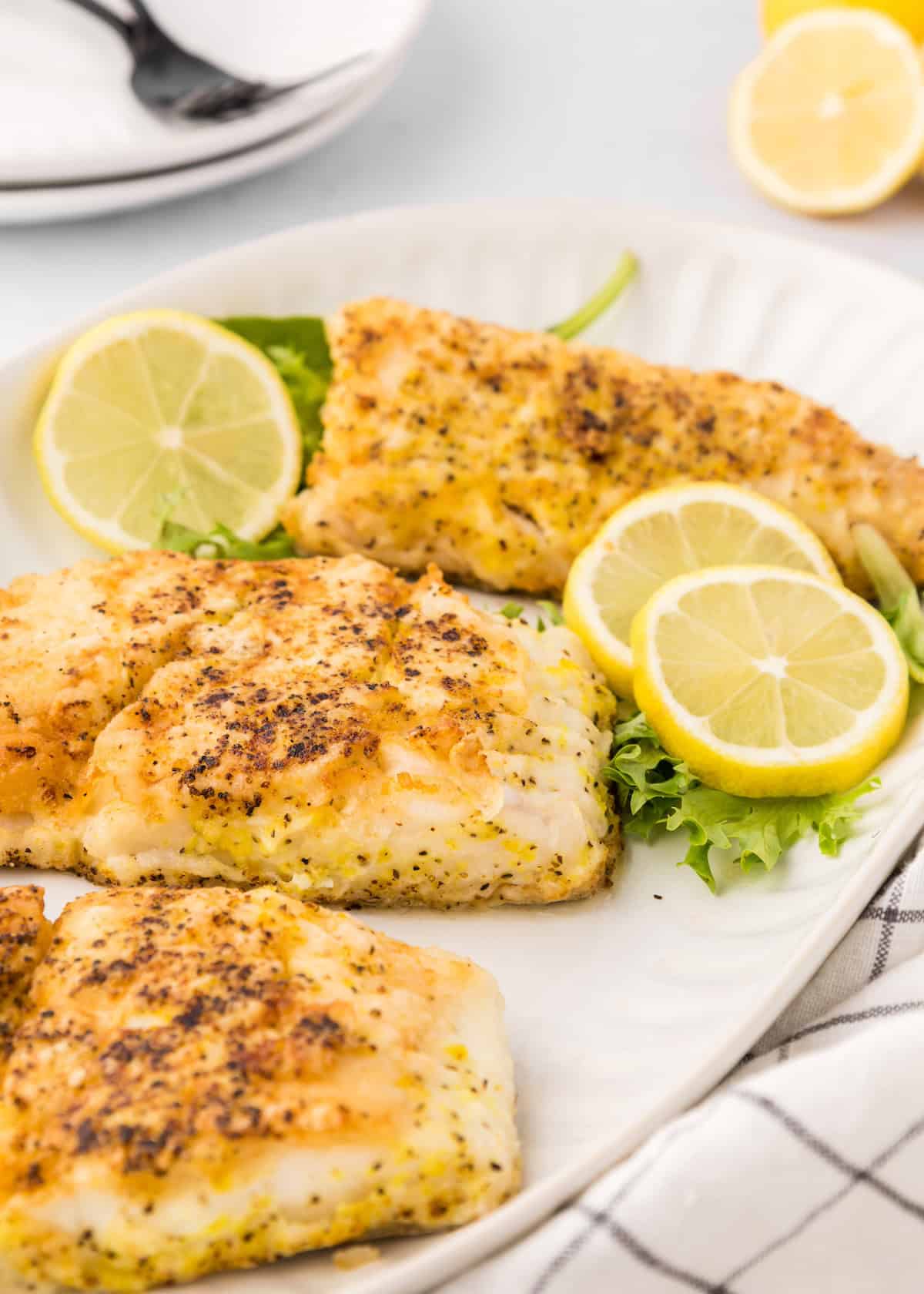
This lemon pepper fish is a simple, pan-fried dinner made with tender haddock coated in lemon pepper seasoning and cooked until golden and flaky. With a short ingredient list and quick cook time, it's an easy option for busy weeknights when you want something flavorful without a lot of prep.
A Quick Look at the Recipe
✅ Recipe Name: Lemon Pepper Fish
🕒 Ready In: ~15 minutes
👪 Serves: 4 servings
🍽 Calories: ~320 per serving (estimated)
🥣 Main Ingredients: Haddock, lemon pepper seasoning, flour, coconut oil
📖 Dietary Info: Dairy-free; gluten-free adaptable
👌 Difficulty: Easy - quick pan-fried fish
SUMMARIZE & SAVE THIS CONTENT ON
Cooked in coconut oil and finished with fresh lemon, this recipe highlights the bright, savory flavor of lemon pepper while keeping the fish moist and light. It pairs well with vegetables, rice, or potatoes and works just as well for a casual family meal as it does for a straightforward seafood dinner.
If you enjoy easy seafood dinners like this, you may also like our Sheet Pan Lemon Pepper Salmon, Baked Haddock Casserole, or Fish Taco Bowls for more quick, no-fuss meals.
Jump to:
Why You'll Love this Lemon Pepper Fish:
Quick to make: Cooks in about 15 minutes, making it ideal for busy weeknights.
Simple ingredients: Uses pantry staples and a single seasoning blend for easy prep.
Light and flavorful: Lemon pepper adds bright flavor without overpowering the fish.
Crispy outside, flaky inside: Pan-frying creates a golden coating while keeping the fish tender.
Versatile serving: Pairs well with vegetables, rice, or potatoes for a complete meal.
Key Ingredients:
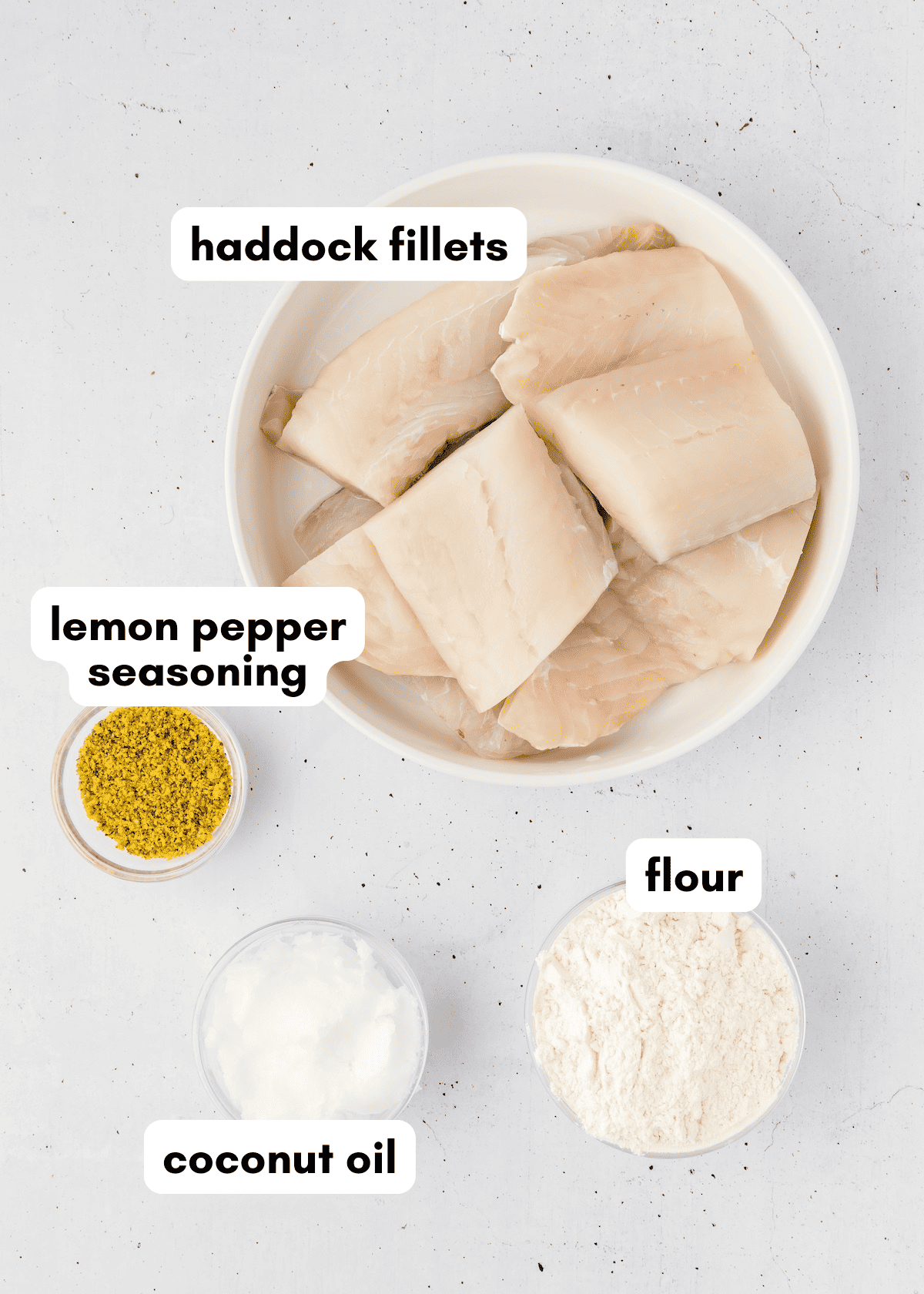
- haddock. A mild, flaky white fish that cooks quickly and works well with lemon pepper seasoning. Cod, pollock, or tilapia can also be used.
- lemon pepper seasoning. The main flavoring in this recipe, adding bright citrus notes and gentle heat without extra spices.
- flour. Creates a light coating that helps the fish brown evenly and develop a golden crust.
- coconut oil. Ideal for pan-frying due to its high smoke point and neutral flavor once heated.
Scroll to the recipe card at the bottom of this page for exact quantities.
Easy Substitutions & Variations:
- Use a different fish: Cod, pollock, tilapia, or flounder work well in place of haddock. Choose a firm white fish that cooks quickly.
- Make it gluten-free: Replace the flour with gluten-free all-purpose flour for a gluten-free option.
- Bake instead of fry: Arrange the dredged fish on a lined baking sheet, lightly brush with oil, and bake at 400°F for 12-15 minutes, flipping once.
- Add extra lemon flavor: Sprinkle fresh lemon zest over the fish after cooking for added brightness.
- Adjust the seasoning: Reduce the lemon pepper slightly for a milder flavor or add a pinch of paprika or garlic powder for extra depth.
How to Make Lemon Pepper Fish:
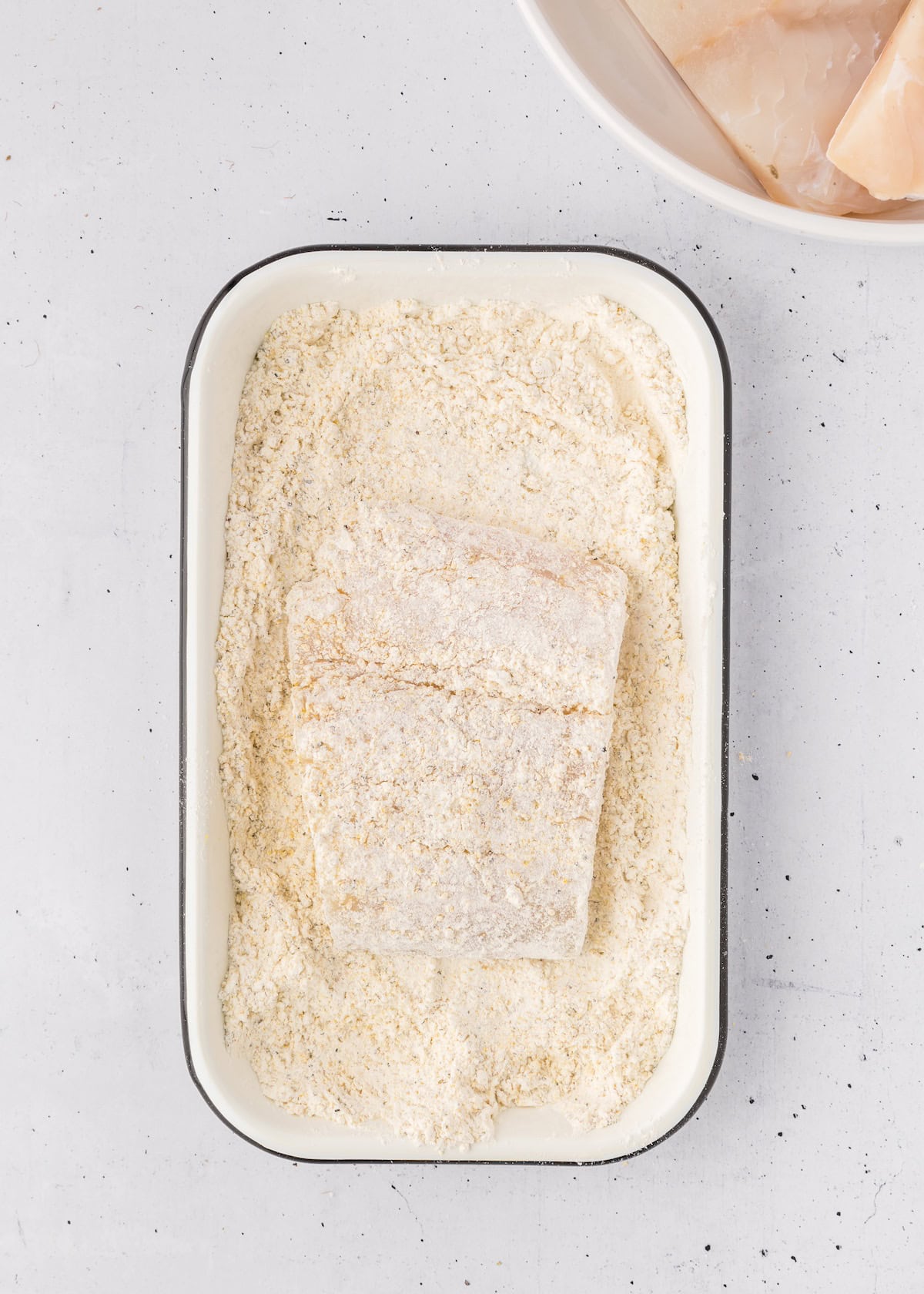
- Step 1: Heat the coconut oil in a large skillet over medium heat until fully melted and shimmering. While the oil heats, combine the flour and lemon pepper seasoning in a shallow dish. Dredge each piece of haddock in the mixture, coating both sides evenly and gently shaking off any excess.
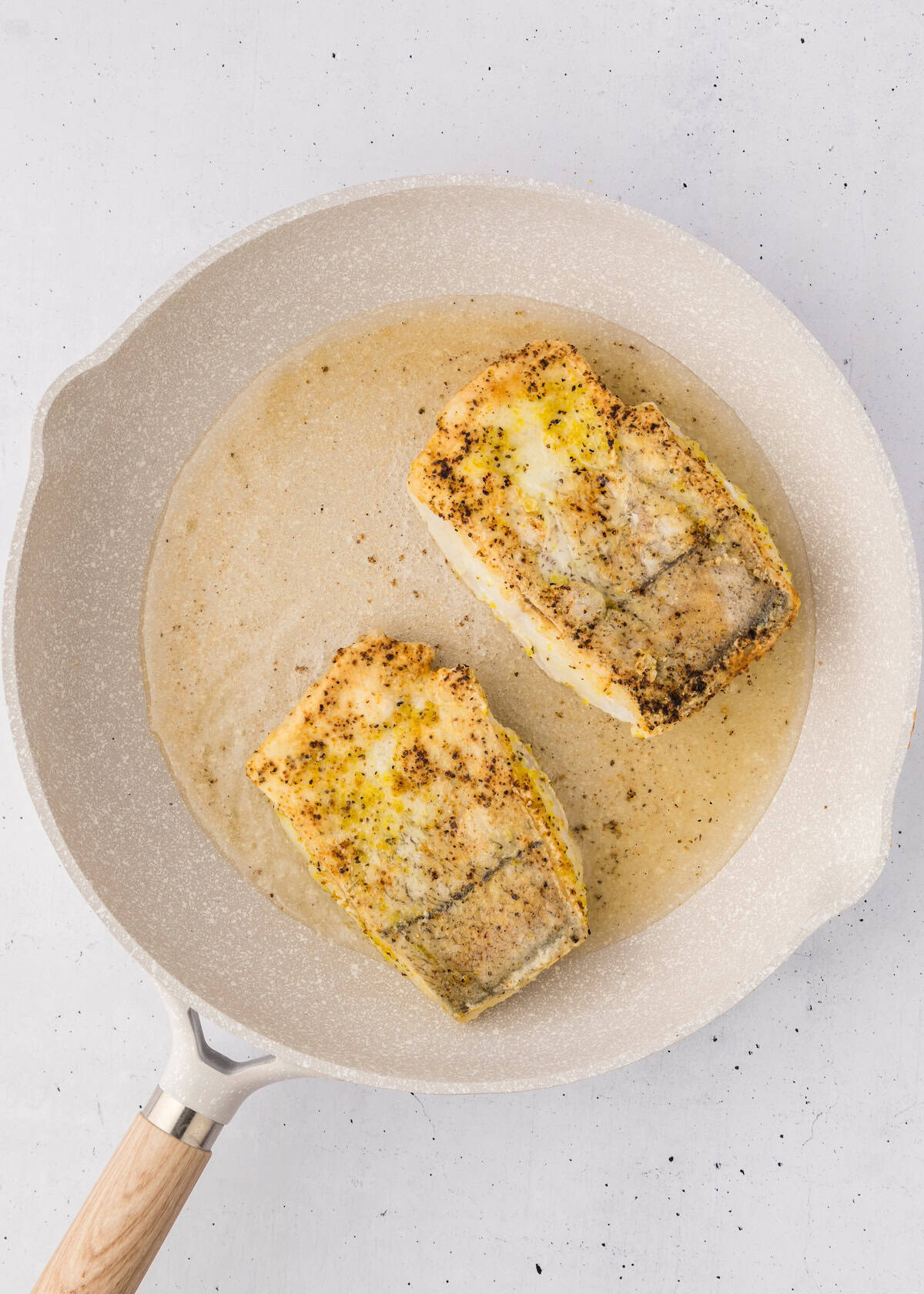
- Step 2: Working in batches, carefully place the fish into the hot oil without overcrowding the pan. Cook for 3-4 minutes. Flip the fish carefully and cook for another 3-4 minutes. The fish should flake easily with a fork and reach an internal temperature of 145°F.
Recipe Notes & Tips:
- Use evenly sized fish fillets: Similar thickness helps the fish cook at the same rate and prevents overcooking.
- Make sure the oil is hot: The coconut oil should be fully melted and shimmering before adding the fish to prevent sticking.
- Don't overcrowd the pan: Cook the fish in batches so each piece browns properly.
- Flip gently: Use tongs or a thin spatula and turn the fish slowly to avoid splashing hot oil.
- Check for doneness: The fish should flake easily with a fork and reach an internal temperature of 145°F.
- Serving Suggestions: We love serving this fish with Arugula Fig Salad and Twice Baked Potatoes.
Save this Recipe
How to Store:
Refrigerator: Store leftover lemon pepper fish in an airtight container in the refrigerator for up to 2 days.
Reheating: Reheat gently in a skillet over low heat or in the oven at 300°F until just warmed through. Avoid microwaving, as it can dry out the fish.
Serving again: Add a squeeze of fresh lemon after reheating to refresh the flavor.
Freezing: Freezing is not recommended, as the coating can become soggy and the fish may dry out when thawed.
Lemon Pepper Fish FAQs:
Lemon pepper fish typically cooks in a skillet for 3-4 minutes per side over medium heat, depending on thickness. The fish is done when it flakes easily with a fork and reaches an internal temperature of 145°F.
Lemon pepper fish is fully cooked when the flesh turns opaque, flakes easily with a fork, and reaches an internal temperature of 145°F at the thickest part.
Yes, lemon pepper fish can be baked. Place the dredged fish on a lined baking sheet, lightly brush with oil, and bake at 400°F for 12-15 minutes, flipping once, until cooked through.

Grab your free copy
Get a FREE Healthy Meal Planning Ebook
Tips, Tricks, and Recipes for Stress Free Meal Planning
Lemon Pepper Fish
Ingredients
- 1 cup coconut oil
- ½ cup flour
- ¼ cup lemon pepper seasoning
- 1 pound haddock
Instructions
- Heat the coconut oil in a large skillet over medium heat until fully melted and shimmering.
- While the oil heats, combine the flour and lemon pepper seasoning in a shallow dish. Dredge each piece of haddock in the mixture, coating both sides evenly and gently shaking off any excess.
- Working in batches, carefully place the fish into the hot oil without overcrowding the pan. Cook for 3-4 minutes, until the underside is golden and the fish releases easily from the skillet.
- Flip the fish carefully and cook for another 3-4 minutes, until golden and cooked through. The fish should flake easily with a fork and reach an internal temperature of 145°F.
- Transfer the cooked fish to a serving plate and repeat with the remaining pieces. Garnish with lemon wedges and serve hot.
Nutrition
Notes
- Use evenly sized fish fillets: Similar thickness helps the fish cook at the same rate and prevents overcooking.
- Make sure the oil is hot: The coconut oil should be fully melted and shimmering before adding the fish to prevent sticking.
- Don't overcrowd the pan: Cook the fish in batches so each piece browns properly.
- Flip gently: Use tongs or a thin spatula and turn the fish slowly to avoid splashing hot oil.
- Check for doneness: The fish should flake easily with a fork and reach an internal temperature of 145°F.
- Serving Suggestions: We love serving this fish with Arugula Fig Salad and Twice Baked Potatoes.



Kae says
One of our favorite fish recipes!